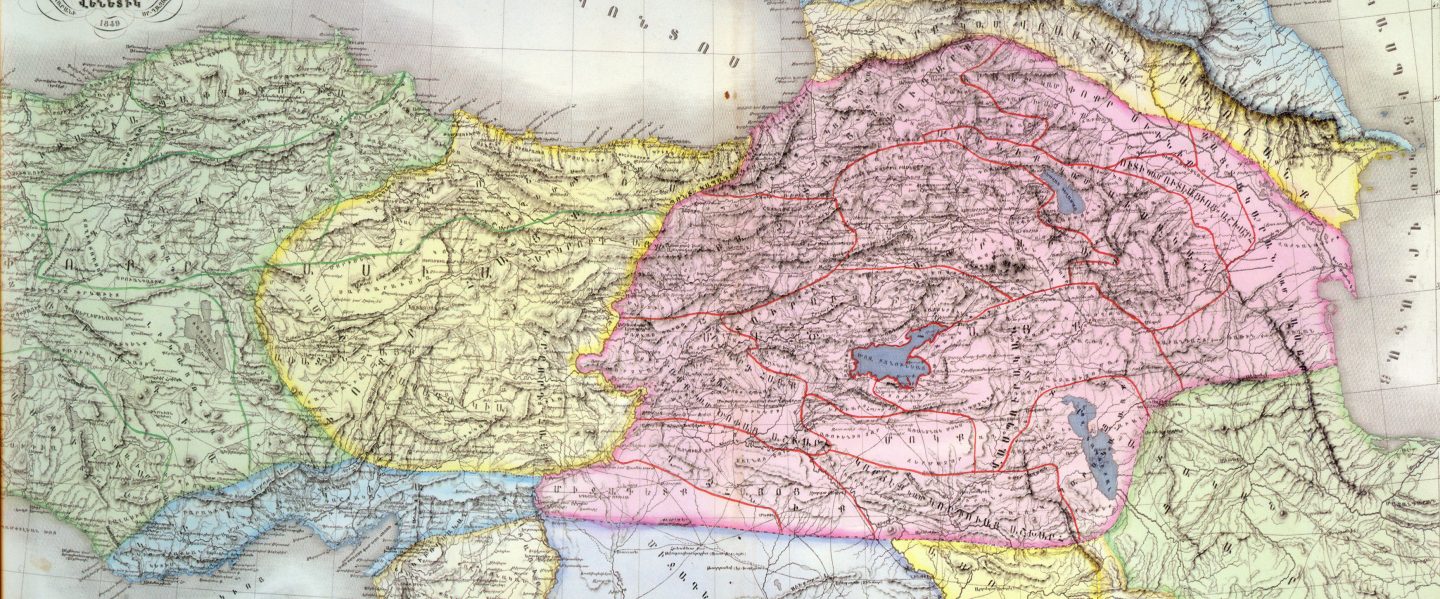

Hayots Gund: The Fearsome Army of United Armenia

In the annals of history, the Armenian kingdom stands out for its formidable military might. The Hayots Gund, or the Army of Armenia, was a cornerstone of this strength, embodying the valor and resilience of a nation that served as a buffer state between powerful empires. This post delves into the composition, tactics, and historical significance of the Hayots Gund, highlighting why it was one of the most respected military forces of its time. I will also delve deeper into the significance of unity within its ranks, and the challenges faced in maintaining this unity.
The roots of the Hayots Gund trace back millennia, likely originating during the kingdom of Urartu. However, it was perfected under the rule of the Arsacid dynasty of Armenia. The military organization of ancient Armenia drew significant influence from both Roman and Persian traditions, resulting in a unique and highly effective feudal army structure. The army was divided into four primary defensive sections, known as the Gates, each responsible for protecting different frontiers of the kingdom. This structure enabled the military to be highly adaptable and responsive, capable of both defensive and offensive operations.
The 4 gates of defence

The Armenian army was strategically divided into four sections to defend different frontiers, with the flexibility to be reinforced by the Royal Army and general levies. Conversely, these sections, known as Gates, could augment the Royal Army when necessary. The overall size and quality of the Armenian army were truly awe-inspiring. The Western Gate fielded 23,600 knights, the Eastern Gate 21,000, the Northern Gate 18,500, the Southern Gate 21,500, and the Royal Reserves in Ayrarat included 35,900 knights, bringing the total to 120,000 knights.

Bellow is a full list of the amount of knights available to every gate according to Ilkka Syvänne (2015).

The Hayots Gund, or the Armenian Army, played a crucial role in the defense and sovereignty of ancient Armenia. This military force was not just a collection of soldiers but a symbol of the nation’s resilience, strategic acumen, and unity.
The society
Armenian society during the period of the Hayots Gund was a vibrant and dynamic tapestry of different classes, cultures, and influences. The interplay between the powerful nobility, influential clergy, and hardworking commoners created a unique societal structure that was both resilient and adaptable. Despite the challenges of internal strife and external pressures, Armenia’s strategic significance, cultural achievements, and military prowess ensured its place as a notable and enduring presence in the ancient world. The Armenian feudal society was quite complicated, I will have to dedicate a separate post on the it.

A mindmap of the Armenian feudal society.
Military Structure and Tactics
The Armenian army operated as a feudal force, primarily composed of the retinues of various noble houses. When on campaign, the army consisted of these feudal units or divisions (known as gunds), each bearing its own standard. These gunds were organized into larger entities such as regional armies (the Gates, Vitaxae, lesser frontier governors called kolmakals, and lesser interior governors called kusakals), or the Royal Army (the Ayararat/Ostan with reinforcements). The Royal Army itself was structured into wings (left, center, right) and sometimes included additional groupings such as reserves, outer wings, scouts, ambushers, and infantry specialists (like mountain troops).

Source: Ilkka Syvänne (2015) Military History of Late Rome
The elite segment of the army, called the matenik gund (elite division/unit), consisted of selected contingents or royal bodyguards, similar to the Persian Immortals. This unit often served as the center or reserve of the army.
The Armenian army on campaign had a clear command hierarchy. At the top was the overall commander (sparapet – and/or the king), followed by the commander of the cavalry (aspet), and generals (zoravars) who likely oversaw the wings. Below them were the commanders of the gunds (gundapets/gamapets), and beneath them were the lesser officers, all the way down to file leaders and rearguards.

The core of the Hayots Gund was its elite cavalry, known as the azatagund. These knights were heavily armored cataphracts, clad in mail, scale, lamellar, or plate armor, and equipped with long spears (nizak), longswords (suser), and powerful composite bows (aleln). The azatagund were renowned for their discipline and the devastating impact of their charges.
Supporting the elite cavalry were the non-noble cavalry units, including lancers and mounted archers, as well as infantry divisions comprising heavy and light foot soldiers. The flexibility of the Armenian military was evident in its varied tactics, ranging from guerrilla warfare and ambushes to full-scale pitched battles and sieges.
The pre-battle routines of the Armenian forces were intricate. Before each engagement, the commander convened a council of officers to devise a battle plan. Religious sermons, ceremonies, and motivational speeches were given to inspire the troops. Soldiers were equipped according to the specific needs of the battle. During combat, religious shouts were employed. The cavalry attacked with contus lances, maintaining tight formations and moving as quickly as possible. However, the use of the heavily armored cataphract cavalry did not restrict the Armenians to frontal charges alone. This cavalry could also engage in long-distance archery combat and, by removing some armor, function as light cavalry. Historical sources note the use of azat-cavalry for skirmishing in open order, where spears were thrown instead of used as lances. Despite this versatility, the contus lance remained the primary weapon of the Armenian azat-cavalry. Armenian knights could even gallop back to the rear to retrieve a spare lance if theirs was shattered or lost. Consequently, when the front line re-grouped behind the reserves, they typically re-formed for a new lancer charge.

Armenian military methods were very flexible and adaptable, and one should not make the mistake of concluding that the Armenian army was poorly organized on the basis that it was feudal. On the contrary, when the Armenians were united under a respected and powerful monarch or sparapet, their feudal army could defeat practically any opponent. Similarly, contrary to the popular image of the feudal armies, the Armenian army was well organized, supplied and paid (note the central bureaucracy).Ilkka Syvänne
Military History of Late Rome, 284-361
The Armenian arsenal of tactics encompassed a wide range of military methods, including ambushes, surprise attacks, night attacks, assassinations of enemy leaders by special operatives, targeting enemy leaders in combat, attacks on enemy camps, raiding, guerrilla warfare, regular warfare with pitched battles, and various methods of siege warfare. The primary arm of service was the super heavy cataphract cavalry, with infantry typically serving in supporting roles, such as defending fortified marching camps or participating in sieges. The Armenians developed a sophisticated military doctrine that allowed them to adapt to a wide range of circumstances and select the most suitable response for any given situation.
Given that the main striking force of the Armenian army was its heavy cavalry, the Armenians preferred open plains where their lancers could operate effectively, with the terrain blocking the enemy’s retreat. However, when outnumbered, the Armenians would retreat to difficult, well-known terrain, use a scattered formation for fluid cavalry warfare, and then concentrate their elite cavalry forces to execute a precision strike against the enemy commander.
The Significance of Unity
Armenia’s geographical position made it a critical buffer state between the Roman and Persian Empires. The Hayots Gund was essential in defending the Armenian territories from invasions and in maintaining the balance of power in the region. The army’s ability to engage and repel invasions from these formidable neighbors underscored Armenia’s strategic importance.
A strong military was crucial for maintaining internal stability and ensuring the king’s authority over the realm. The Hayots Gund’s presence deterred internal rebellions and power struggles among the nobility, which were common in feudal societies. By securing the kingdom’s borders and preserving internal order, the Hayots Gund played a vital role in the overall governance and continuity of the Armenian state.
Unity within the Hayots Gund was essential for mounting a cohesive and effective defense against external threats. A unified military could coordinate large-scale operations, effectively manage supply lines, and ensure that all regions of the kingdom were adequately defended. This unity allowed for the rapid mobilization of forces and the efficient execution of strategic plans.
Armenia possessed a very long cavalry tradition and could defeat the Sasanians and Romans when well led and unified… The third-and fourth-century military successes of both Khosrov (ca. 211-256) against Ardashir and Shapur I and the successes of his son Trdat (ca. 276/ 8-330/ 2) against Narses and his successors prove that the Armenians, when united and well led, were easily able to keep Sasanid Persia in check and inflict grievous losses on them.Ilkka Syvänne
Military History of Late Rome, 284-361
The support of the magnates and lesser nobility was crucial for the king’s rule. By fostering unity within the military, the king could secure the loyalty of these powerful nobles, ensuring that their personal interests were aligned with the kingdom’s defense and prosperity. This political unity translated into a more stable and resilient state capable of withstanding external pressures.
The Hayots Gund was a unifying symbol for the Armenian people, embodying their collective strength and determination. This sense of unity and shared purpose bolstered national identity and morale, inspiring the populace and the soldiers to defend their homeland with unwavering resolve.
Challenges to Unification

Despite its strengths, the Hayots Gund faced significant challenges. The feudal nature of Armenian society meant that internal conflicts among the nobility could undermine military cohesion. However, when unified, the Armenian army demonstrated remarkable resilience and capability, adapting to various threats through strategic ingenuity and tactical flexibility.
The only serious weakness of the Armenian army was the relative independence of the princes, which at times of discord could cause some of them to defect and/ or to fight their own personal wars against the other princes. The independent and free spirit of the knights made their charge much feared on the battlefield, but at the same time it made the control of the army difficult.Ilkka Syvänne
Military History of Late Rome, 284-361
The geopolitical tug-of-war between Rome and Persia meant that Armenian nobles were sometimes swayed by foreign interests. These external influences could lead to divisions within the military and the nobility, undermining the kingdom’s unity and making it difficult to present a united front against invaders.
Succession disputes and the lack of a clear line of inheritance often led to power struggles among the nobility. These disputes could weaken the kingdom’s central authority and fragment the military’s cohesion, as different factions vied for control. Maintaining unity during such periods of transition was a significant challenge for Armenian rulers.
It is obviously clear that the Armenian king could not usually put to the field the whole army simultaneously for three reasons: 1) It was impossible to supply the entire force during the campaign; 2) He could not leave other areas of the kingdom undefended; and 3) When enemies invaded, some Armenian nobles often sided with the invaders.
However, there were still some rare occasions in which the king/ sparapet was able to assemble almost all of the feudal forces (Royal Army, princely retinues and others) for a single campaign. This united army was called the Army of Armenia (Hayastan Gund or Hayotz Gund or Hayastan). 93 In addition to this there were also the forces provided by the client kingdoms like Iberia and by the allies.Ilkka Syvänne
Military History of Late Rome, 284-361
Sustaining a large and well-equipped army required substantial economic resources. Periods of economic hardship or mismanagement could strain the kingdom’s ability to maintain and unify its military forces, leading to reduced effectiveness and increased vulnerability.
Legacy
The legacy of the Hayots Gund is a testament to the enduring spirit of the Armenian people. Their ability to organize a formidable military force, despite the constant threats from neighboring empires, highlights the strategic and cultural significance of Armenia in ancient times. Today, the history of the Hayots Gund continues to inspire pride and admiration, serving as a reminder of Armenia’s rich and resilient heritage.
Conclusion
The Hayots Gund was more than just a military force; it was a cornerstone of Armenia’s defense, stability, and national identity. Unity within this army was crucial for effectively countering external threats and maintaining internal order. However, achieving and sustaining this unity was a constant challenge due to the feudal nature of Armenian society, external geopolitical pressures, succession disputes, and economic constraints. Despite these challenges, the Hayots Gund remains a testament to the resilience and strategic prowess of ancient Armenia, highlighting the importance of military unity in the face of adversity.

You must be logged in to post a comment.