
ՈՎՔԵ՞Ր ԵՆ ԱՄԱԼԵԿՆԵՐԸ – WHO ARE THE AMALEKS

ՈՎՔԵ՞Ր ԵՆ ԱՄԱԼԵԿՆԵՐԸ
(English text below 
)
Երեկվա իմ «Որդի Աստվածը» գրառման տակ արված մեկնաբանություններից զգացվում է, որ մեծ հետաքրքրություն կա Ամալեկ (Ամաղեկ) անվան նկատմամբ: Ուստի որոշեցի շատ հակիրճ (ծանոթացման կարգով) անդրադառնալ այդ անվանը:
Ողջ աշխարհին Ամալեկ անունը (որպես ցեղանուն և անձնանուն) հայտնի է Հին կտակարանից: Հին կտակարանում Ամալեկ անունով է ներկայացվում այն ժողովուրդը, որ հրեաներին արգելում էր մտնել Քանան: Հին կտակարանն ամալեկներին ներկայացնում է որպես հրեաների մահացու թշնամի: Հրեաներն էլ Ամալեկ ասելով, մատնացույց են անում հայերին:
Ամալեկ էր նաև Եսավի թոռան անունը: Եսավը Հակոբ=Իսրայելի ավագ եղբայրն էր և Հակոբը խաբեությամբ նրանից խլեց անդրանիկության իրավունքը:
Ամալեկ անունը սեմական լեզուներում բացատրություն չունի, չի ստուգաբանվում և մինչ օրս անհայտ է համարվում բառի ծագումն ու իմաստը:
Ցեղանվան բացատրությունը տալիս է հայերենը։
Այն կազմված է բուն «ամալ» բառից և ցեղանուն, պատկանելիություն ցույց տվող «-եկ/-իկ» մասնիկից (հմմտ. Հայ-իկ>Հայկ=Հայ, պարս-իկ, հնդ-իկ, զարմ-իկ և այլն):
Նույն Ամալ և թեոս=«աստված» բառերով է կազմված հունական Ամալթեա դիցանունը: Սա այծի կերպարանքով ներկայացվող այն դիցուհին էր, ում եղջյուրից բխող նեկտարով սնվում էր մանուկ Զևսը: Այս առասպելական պատմությունից է ծագել «առատության եղջյուր» արտահայտությունը, ինչը փաստացի նշանակում է «Ամալ Աստծո եղջյուր»: Այս թեման առկա է նաև Հայոց հրաշապատում հեքիաթներում, որտեղ կովի եղջյուրից սնվում է որբ երեխան:
Հունական այս դիցական սյուժեն հուշում է, որ Ամալ անունը կապված է լցնելու, հեղելու, առատ դարձնելու գաղափարի հետ: Այստեղ է, որ մեջտեղ է գալիս բնիկ հայերեն ամալ=«լցնել, հեղել» բառը: Այստեղից էլ հարց է առաջանում, թե այս բառն ինչպե՞ս պիտի դառնար ցեղանուն:
Ժամանակակից աշխարհում այս հարցի պատասխանը կարող են տալ մի քանի հոգի, ովքեր զբաղվում են սեպագրական շրջանի դիցաբանության հետազոտությամբ: Նրանց է հայտնի A-MAL = Ամալ դիցանունը: Հայտնի է նաև, որ այն եղել է Որ Դի Աստծո (=Արամազդ, Արմենակ, Մարդուկ, Մարաթուկ, HAL.DI) անուններից մեկը, ով դեռևս մ․թ․ա․ 2-րդ հազարամյակի սկզբից է հռչակվել միակ Արարիչ։
Աշխարհարարման բաբելական (Քաջանց, «կասիտական») դյուցազնավեպում Որ Դի Աստվածը ներկայացված է 55 անուններով:
Այսպիսով, հայերենի տվյալները թույլ են տալիս ասել, որ Որ Դի Աստծո Ամալ անունը բացահայտում է նրա էության առատություն պարգևող հատկանիշը:
Այսպիսով, Ամալ դիցանունից ու “-եկ” մասնիկից կազմված ամալեկ ցեղանունով Հին կտակարանի հեղենակները նշել են Արամազդ=Մարդուկի պաշտամունքի հետևորդներին։ Հին աշխարհում շատ ցեղանուններ կազմված էին դիցարանի գերագույն աստծո անունով։
Հայերենում նույնական են «ամալ» և աման=«անոթ» բառերը: Մ.թ.ա. 4÷1 հազարամյակների պատկերագրության մեջ անոթի պատկերը Որ Դի=Մարդուկ Աստծո ատրիբուտներից մեկն է, որով գաղափարագրվել է նրա Ամալ անունը (տես լուսանկարը): Նրա տարածված անուններից մեկի գաղափարագիրը խաչի նշանն էր: Հաճախ է անոթով պատկերվել նաև HAL.DI Աստվածը:
Աստծո հիմնական Որդի անունը, սկսած Սյունիքի ժայռապատկերներից մինչև Միջագետք ու հին Եգիպտոս, գաղափարագրվել է հորթի պատկերով, որը հիմնված է բնիկ հայերեն որթ=”հորթ” և “որդի, որթի” բառերի համանունության վրա։ Հրեաների Մովսեսը մերժեց Որդի Աստծո պաշտամունքը /հորթի պաշտամունքը/ և մտցրեց Եհովայի պաշտամունքը։
Հին կտակարանն ամալեկներին բնութագրում է այսպես․ «Ամաղեկն ազգերի գլուխն է» (Թուոց իդ 20)։ Իսկ Աստծո որդիների՝ հայերի նկատմամբ Հին կտակարանի աղանդը ստեղծողների վերաբերմունքն իրենց «աստծո» բերանով այսպես է ձևակերպված․ «Ամաղէկի հիշատակը երկնքի տակիցը պիտի բոլորովին ջնջեմ» (Ելից ժէ 14)։
Արդյունքում կարող ենք փաստել, որ հրեաներն Ամալեկ են կոչել այն ժողովրդին, ով պաշտում էր առատություն պարգևող Ամալ Աստծուն: Նրանք մերժեցին այդ Աստծո պաշտամունքը, իսկ նրան պաշտողների ազգին համարեցին իրենց մահացու թշնամի:
Ստորև բերված են Ամալ Աստծո պատկերագրության մի քանի նմուշներ մ․թ․ա․ 2-րդ հազարամյակի Քաջանց կնիքներից։
15.06.2018
Համլետ Մարտիրոսյան, Hamlet Martirosyan
___________________________________________
WHO ARE THE AMALEKS?
From the comments made under my post “The Son of God” yesterday, it seems that there is a great interest in the name Amalek (Amalek). Therefore, I decided to very briefly (in order of introduction) touch upon that name.
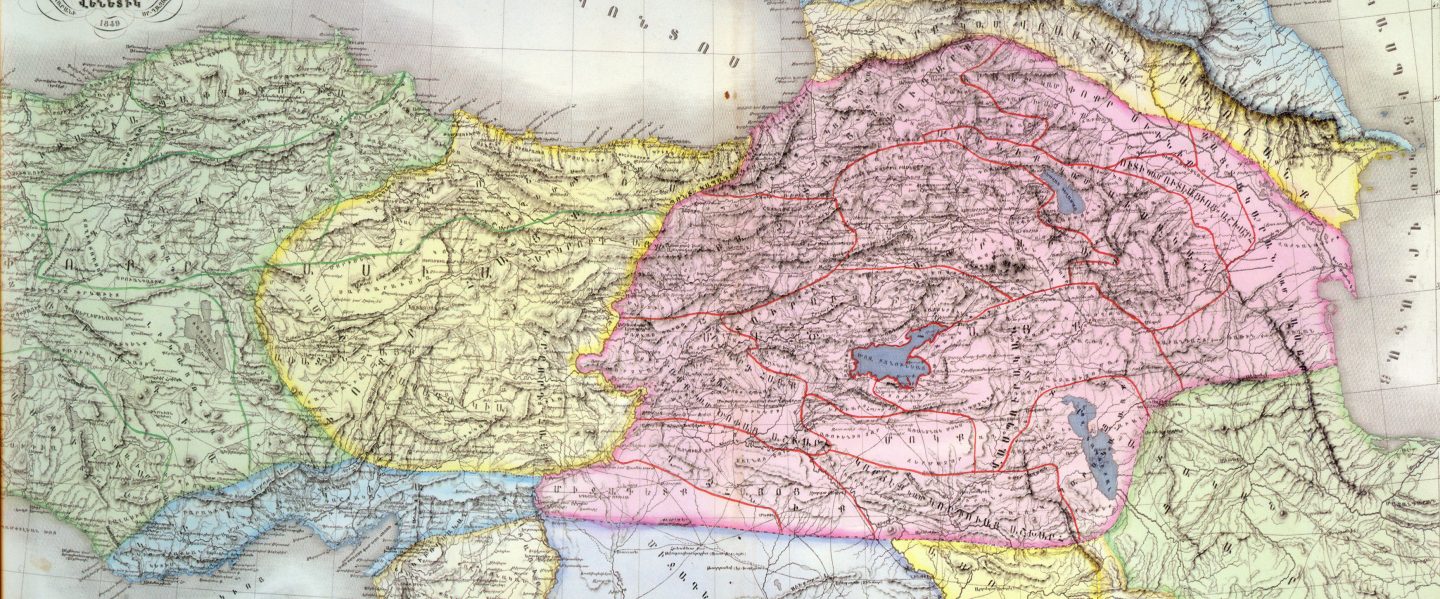
The whole world knows the name Amalek (as a tribal name and a personal name) from the Old Testament. In the Old Testament, the people who forbade the Jews from entering Canaan are presented under the name Amalek. The Old Testament presents the Amalekites as the mortal enemies of the Jews. And the Jews, by saying Amalek, point to the Armenians.
Amalek was also the name of Esau’s grandson. Esau was the elder brother of Jacob=Israel, and Jacob took away his birthright through deception.
The name Amalek has no explanation in Semitic languages, is not etymologically studied, and the origin and meaning of the word are still unknown.
The explanation of the tribal name is given by Armenian.
It is composed of the word “amal” itself and the particle “-ek/-ik” indicating tribal name, belonging (cf. Hay-ik>Hayk=Armenian, Pars-ik (Persian), hnd-ik (Indian), zarm-ik (kinsman), etc.).
The Greek goddess Amalthea is composed of the same words Amal and theos=”god”. This was the goddess represented in the form of a goat, from whose horn the infant Zeus was fed with nectar. The expression “cornucopia” originated from this mythical story, which actually means “horn of God Amal.” This theme is also present in Armenian fairy tales, where an orphan child is fed from a cow’s horn.
This Greek mythological plot suggests that the name Amal is associated with the idea of filling, pouring out, making abundant. This is where the native Armenian word amal=”to fill, to pour out” comes in. This raises the question of how this word could have become a tribal name.
In the modern world, the answer to this question can be given by several people who are engaged in the study of the mythology of the cuneiform period. They are familiar with the deity name A-MAL = Amal. It is also known that it was one of the names of the God Vor Di (=Aramazd, Armenak, Marduk, Maratuk, HAL.DI), who was proclaimed the only Creator as early as the beginning of the 2nd millennium BC.
In the Babylonian (Kajants, “Kassite”) epic of the creation of the world, the God Who is Di is represented by 55 names.
Thus, the Armenian data allow us to say that the name Amal of the God Who is Di reveals the attribute of His essence that gives abundance.
Thus, with the Amalek tribal name, composed of the mythological name Amal and the particle “-ek”, the Old Testament Hebrews designated the followers of the cult of Aramazd=Marduk. Many tribal names in the ancient world were composed of the name of the supreme god of the myth.
In Armenian, the words “amal” and aman=”vessel” are identical. In the iconography of the 4th-1st millennium BC, the image of a vessel is one of the attributes of the God Who is Vor Di=Marduk, with which his name Amal was ideographed (see photo). The ideograph of one of His common names was the sign of the cross. The God HAL.DI was also often depicted with a vessel.
The name of the main Son of God, from the rock paintings of Syunik to Mesopotamia and ancient Egypt, was ideographed with the image of a calf, which is based on the homonymy of the native Armenian words vort= “hort” (calf) and “vordi (son), vorti”. The Jewish Moses rejected the worship of the Son of God /calf worship/ and introduced the worship of Jehovah.
The Old Testament characterizes the Amalekites as follows: “Amalek is the head of the nations” (Numbers 20). And the attitude of the creators of the Old Testament sect towards the sons of God, the Armenians, is formulated by the mouth of their “god” as follows: “I will completely erase the memory of Amalek from under heaven” (Exodus 14).
As a result, we can state that the Jews called the people who worshiped the God Amal, who gave abundance, Amalek. They rejected the worship of that God, and considered the nation that worshipped him their mortal enemy.
Below are some examples of the iconography of God Amal from the Kajan seals of the 2nd millennium BC.
15.06.2018
Hamlet Martirosyan
Translated by Albert Mikayelyan Ալբերտ Միքայելյան
Показать меньше


You must be logged in to post a comment.